What to Do Right Away to Prevent Serious Engine Damage
If your engine overheats, act fast but stay calm. Pull over to a safe spot, turn off the engine, and let it cool down. Do not open the radiator cap while it is hot. After the engine cools, check coolant levels and look for leaks. These quick steps can help prevent major damage and costly auto engine repair later.
What You Need Before You Start
Before you check anything under the hood, safety comes first. A hot engine can cause burns. Give your vehicle at least 20 to 30 minutes to cool down.
It helps to have a few basic items in your car:
- A bottle of coolant or water
- A clean rag or towel
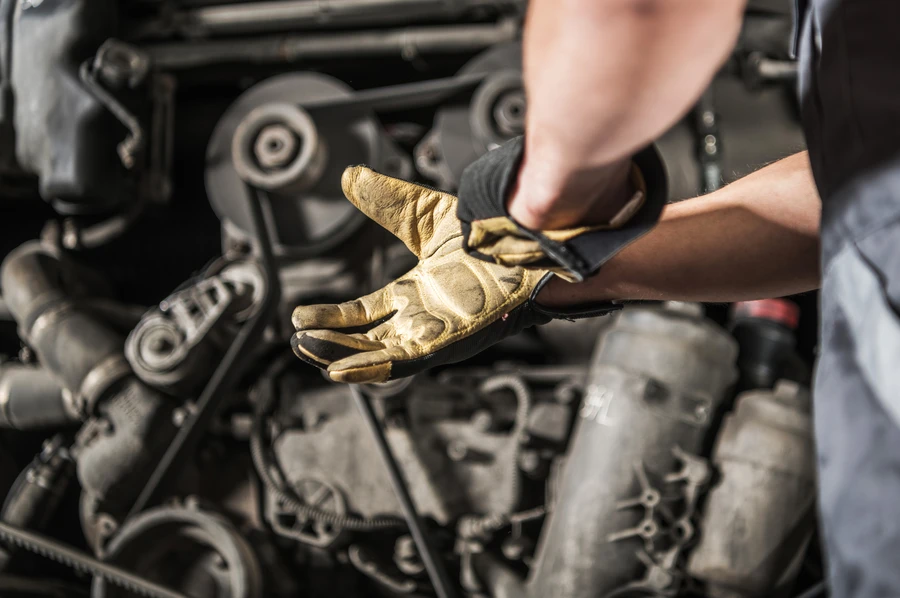
- Work gloves
- A flashlight
These simple tools make it easier to inspect the engine safely. If you do not have them, focus only on getting the car to a safe place and calling for help.
Step-by-Step: What to Do When the Temperature Rises
Follow these steps in order to reduce the risk of engine damage.
- Turn off the air conditioner. This reduces strain on the engine.
- Turn on the heater. It sounds odd, but it pulls heat away from the engine.
- Watch the temperature gauge. If it keeps rising, pull over.
- Stop the vehicle safely. Turn off the engine.
- Wait for the engine to cool. Do not touch or open anything yet.
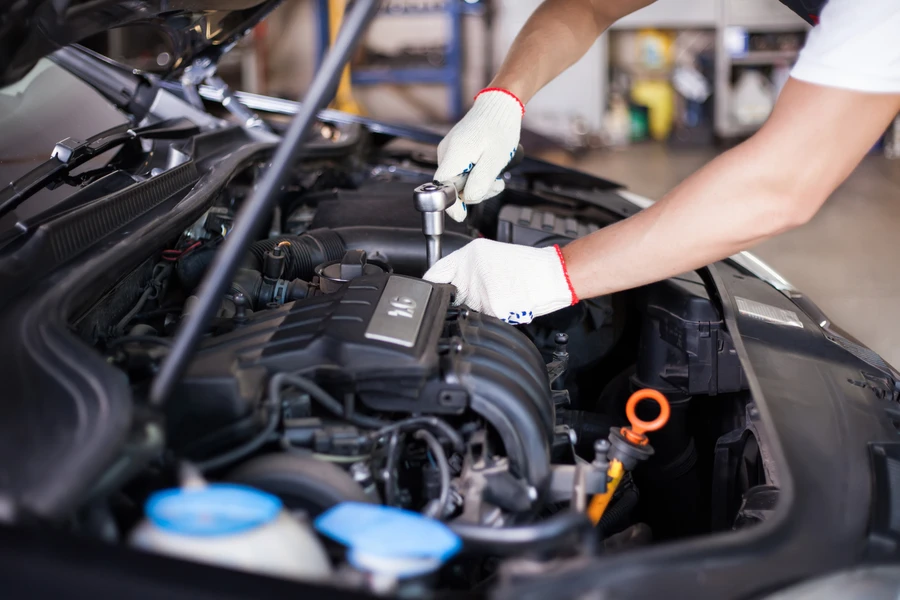
- Check the coolant level. Once cool, open the hood and inspect the coolant reservoir.
- Look for visible leaks. Check under the car for dripping fluid.
If the coolant is low and you have some with you, slowly add it to the reservoir. Never remove the radiator cap while the engine is still hot. Hot pressurized coolant can spray out and cause serious injury.
Common Mistakes to Avoid
Many drivers panic when they see steam coming from under the hood. Quick reactions can make the problem worse.
- Do not keep driving with the temperature gauge in the red.
- Do not pour cold water on a hot engine.
- Do not ignore warning lights.
- Do not assume the problem fixed itself after it cools down.
Driving even a short distance with an overheated engine can warp metal parts, blow a head gasket, or crack the engine block. That can turn a small cooling issue into a major auto engine repair.
When to Call a Professional
Sometimes adding coolant solves the problem temporarily. But overheating often points to a deeper issue.
You may need professional help if:
- The engine overheats again soon after refilling coolant
- You see white smoke from the exhaust
- There is a sweet smell inside or outside the car
- Coolant keeps leaking onto the ground
- The temperature gauge rises quickly every time you drive
These signs could mean a failing water pump, broken radiator fan, clogged radiator, or head gasket problem. These repairs require tools and training. A certified technician can test the cooling system, check for pressure leaks, and find the true cause.
Trying to fix major cooling system problems on your own can lead to higher repair bills later. A proper inspection saves time and helps protect your engine.
Why Fast Action Matters
Your engine creates a lot of heat every time you drive. The cooling system keeps that heat under control. When it fails, metal parts expand too much. This can cause parts to bend or crack.
Even one severe overheating event can shorten the life of your engine. Quick action reduces the risk of long-term damage. It also lowers the chance that you will need a full engine replacement instead of a smaller auto engine repair.
Protect Your Engine for the Road Ahead
Engine overheating is stressful, but the right steps make a big difference. If your vehicle overheats in Chantilly, VA, it is smart to have it checked before driving long distances again. At Eagle Tech Automotive LLC, we inspect cooling systems, diagnose overheating problems, and handle all types of auto engine repair. Call us at (571) 575-2194 to schedule a checkup and let us help keep your engine running safely.